

Grade 5 – Industrial Visit to Rishaba Industries
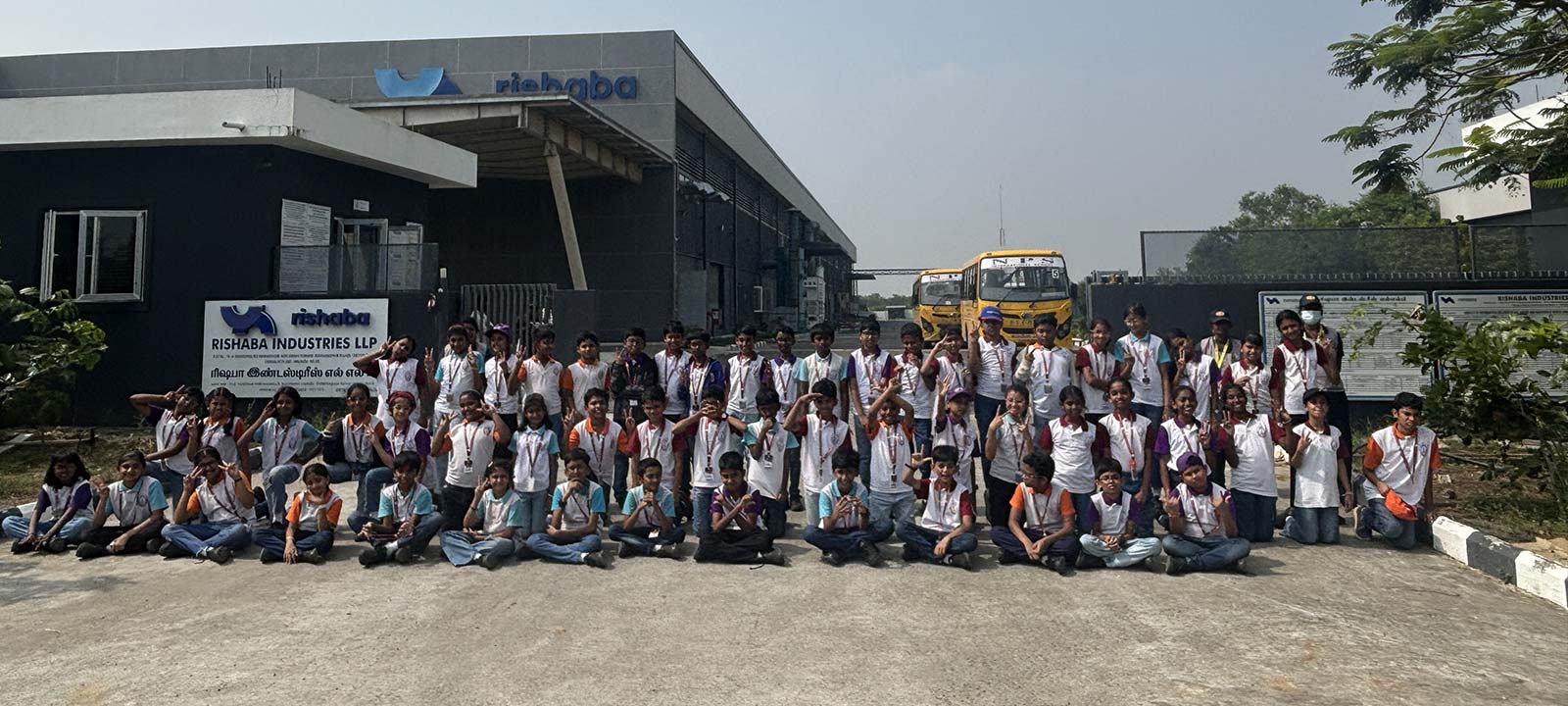
As part of the Grade 5 Social Studies curriculum and an extended experiential learning initiative, students were taken on an educational field trip to Rishaba Industries to gain a practical understanding of industries and industrial processes. The visit aimed to connect classroom learning with real-world applications, helping students observe how raw materials are transformed into finished products through organised systems of labour, machinery, and technology.
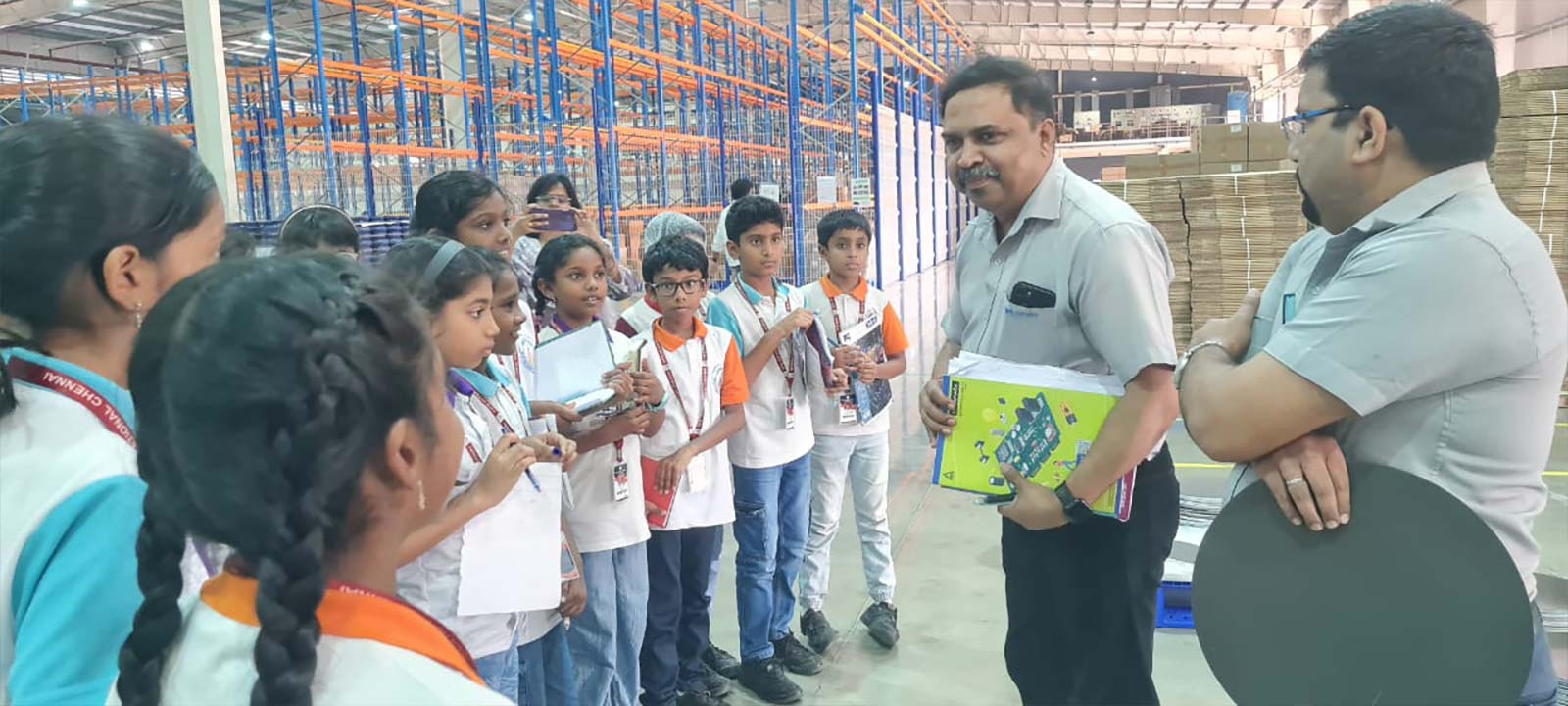
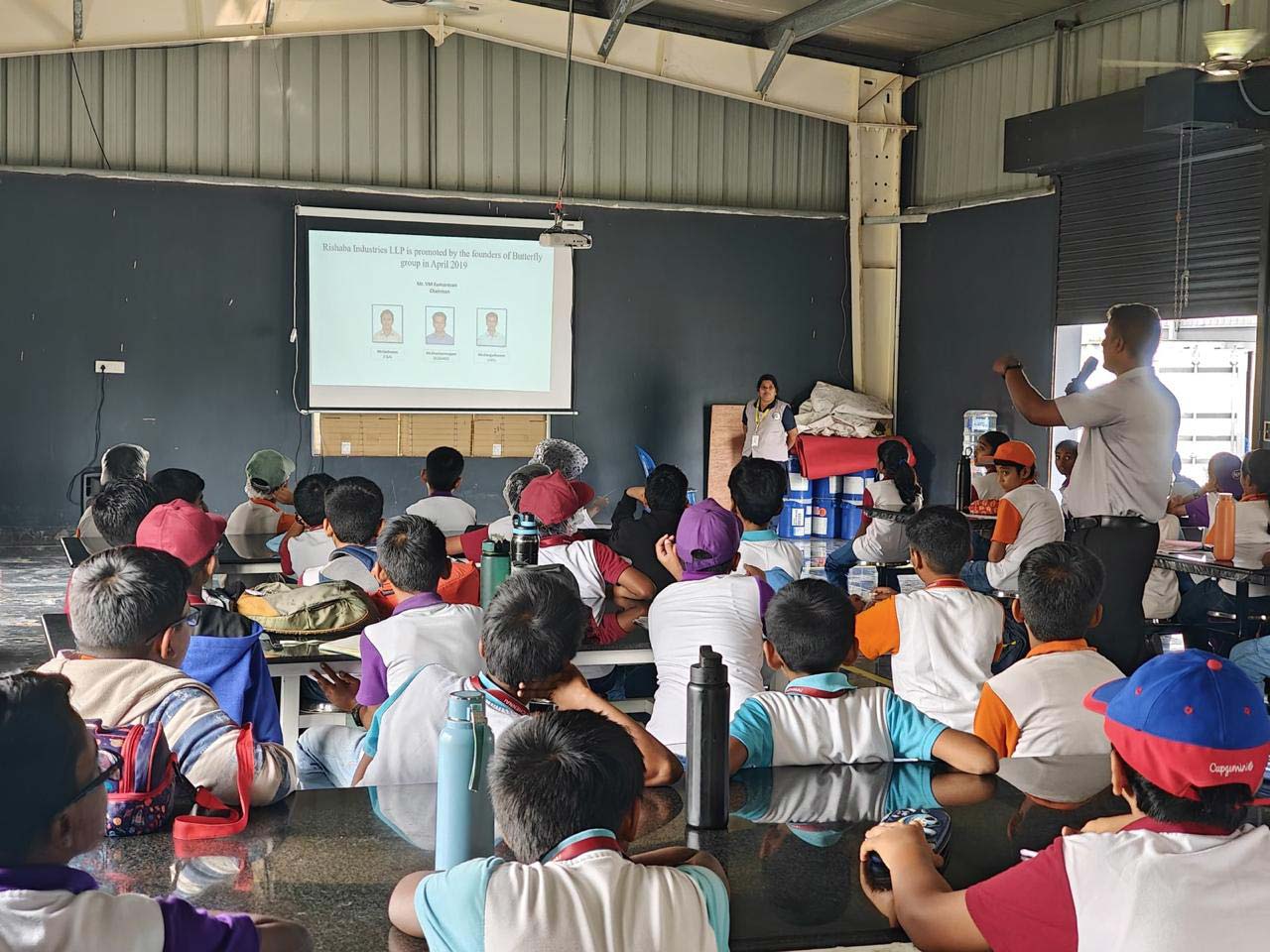
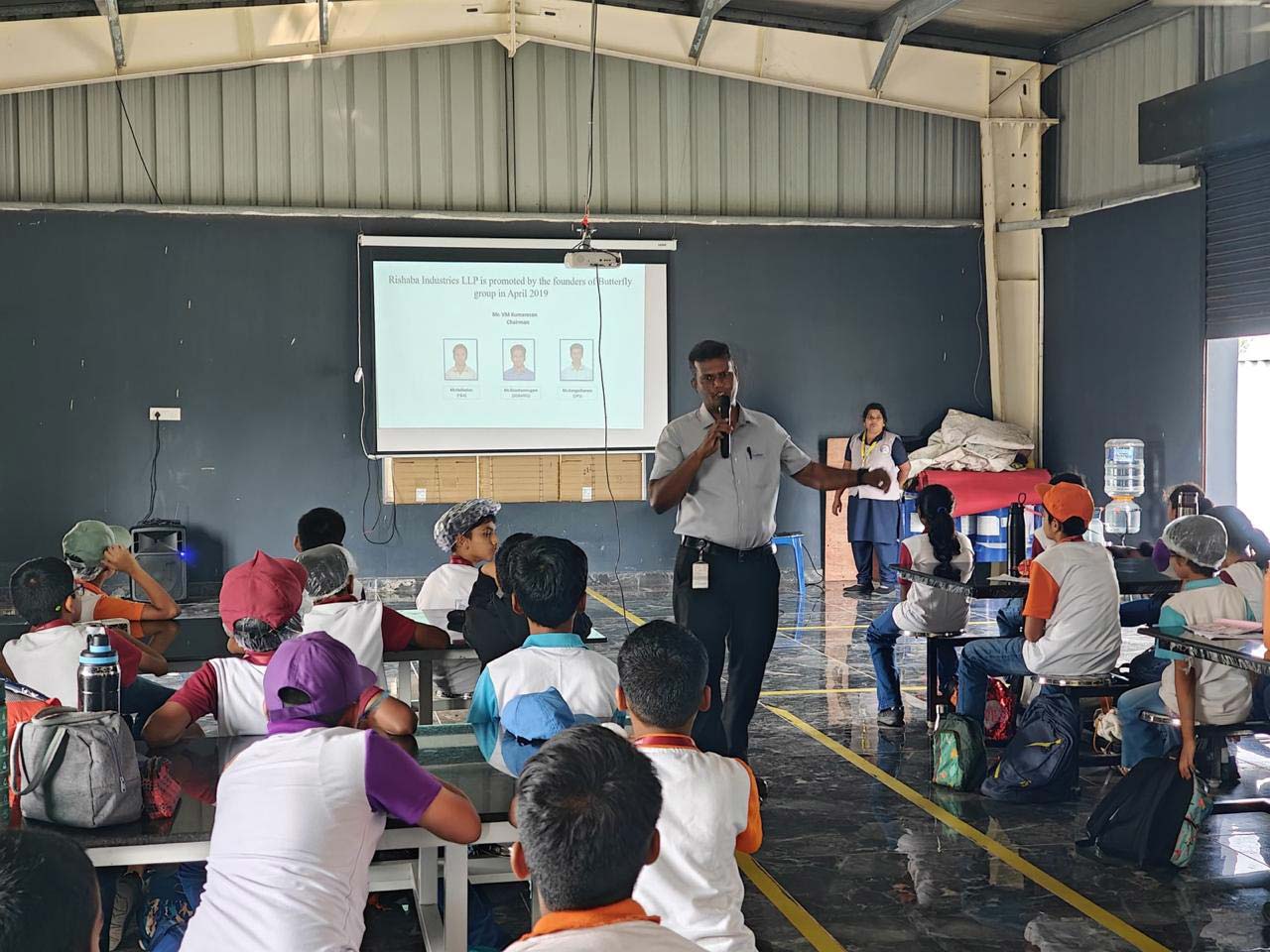
The students were accompanied by their teachers, who ensured supervision and guidance throughout the visit. On arrival at the industrial premises, the students were warmly welcomed by the management team. An orientation session was conducted by senior officials, including representatives from Human Resources and Industrial Safety, who introduced the students to the industry, its operations, and essential safety guidelines to be followed within the factory premises.
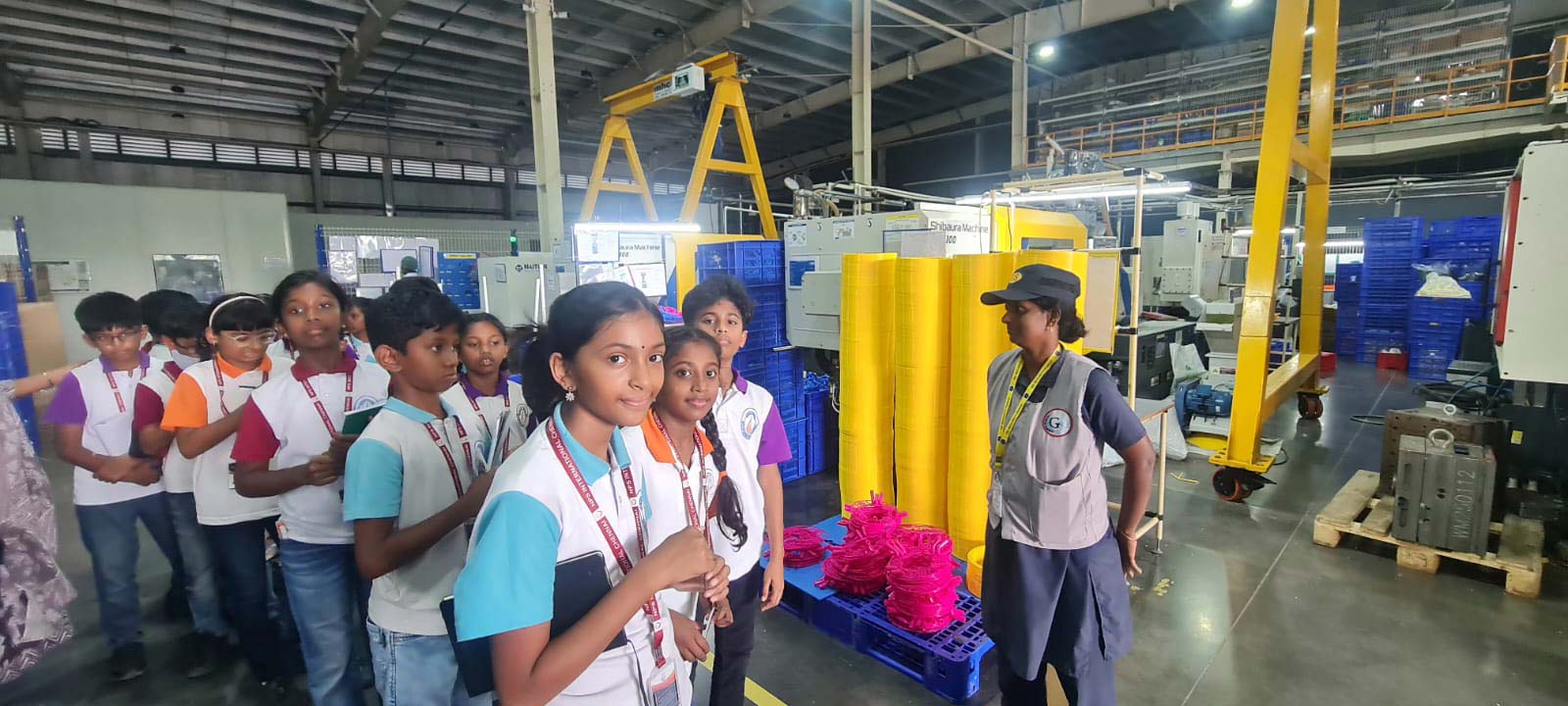
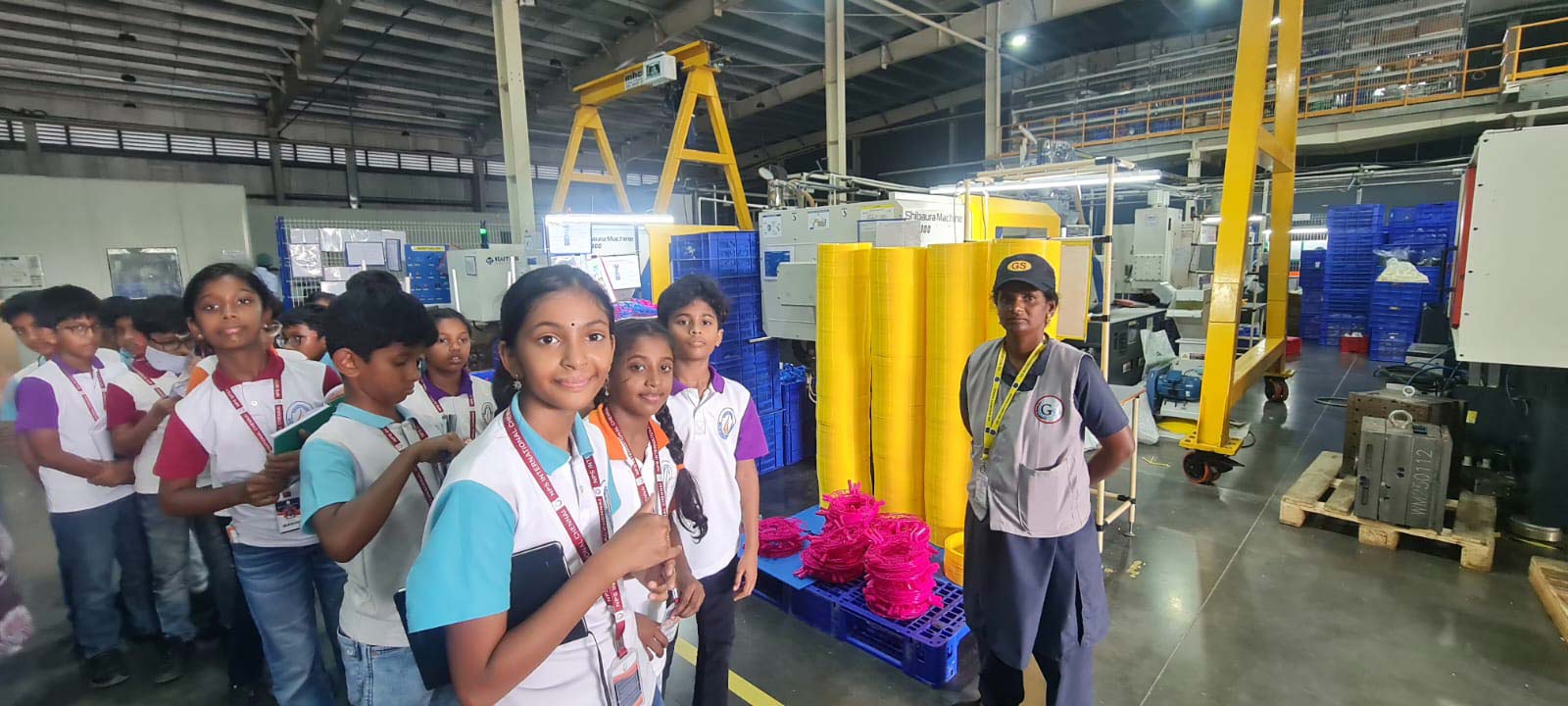
To facilitate effective learning and observation, the students were divided into smaller groups of 20. This ensured meaningful interaction, safe movement within the factory, and a clearer view of the various manufacturing units they were about to explore.
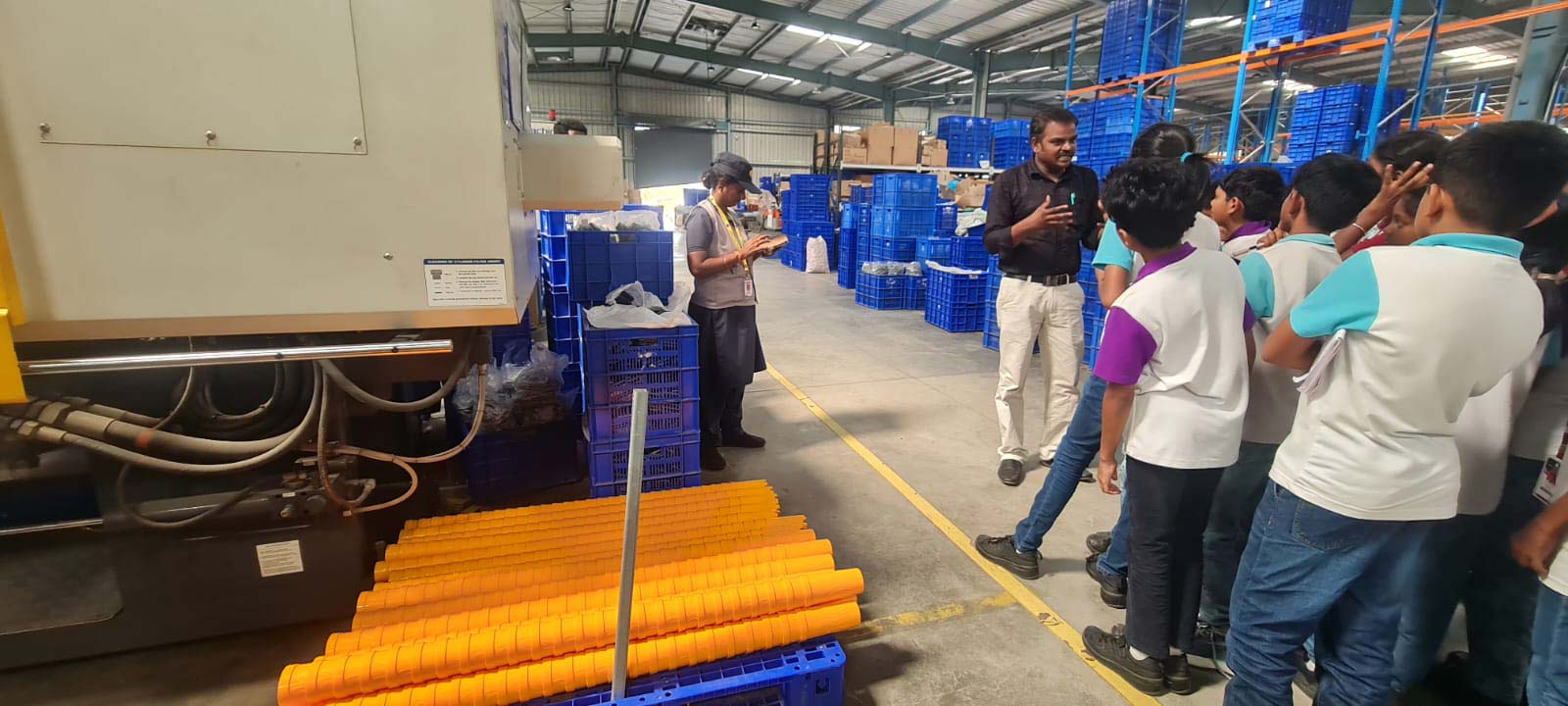
In Unit 1, students witnessed the production of toys and insulated stainless steel cups and mugs. They observed the initial stages where raw materials such as plastic pellets, stainless steel sheets, and insulation foam arrived via conveyor systems. Skilled workers operated advanced injection moulding machines and pressing equipment to shape these materials. Students noted the precision required in temperature control and quality inspections, which prevent defects and ensure product durability. Many remarked on how simple raw inputs transformed into everyday household items through automated processes. Moving to Unit 2, the focus shifted to the assembly of toy cars. Here, students examined the step-by-step assembly line, where components like wheels, chassis, and colourful body parts were fitted together by teams of workers. They learned about the role of human labour alongside robotic arms for tasks like painting and packaging. The emphasis on teamwork was evident, as each worker specialized in specific stages, mirroring the division of labour discussed in class. Students actively questioned staff about safety gear and production targets, gaining insights into efficiency metrics.
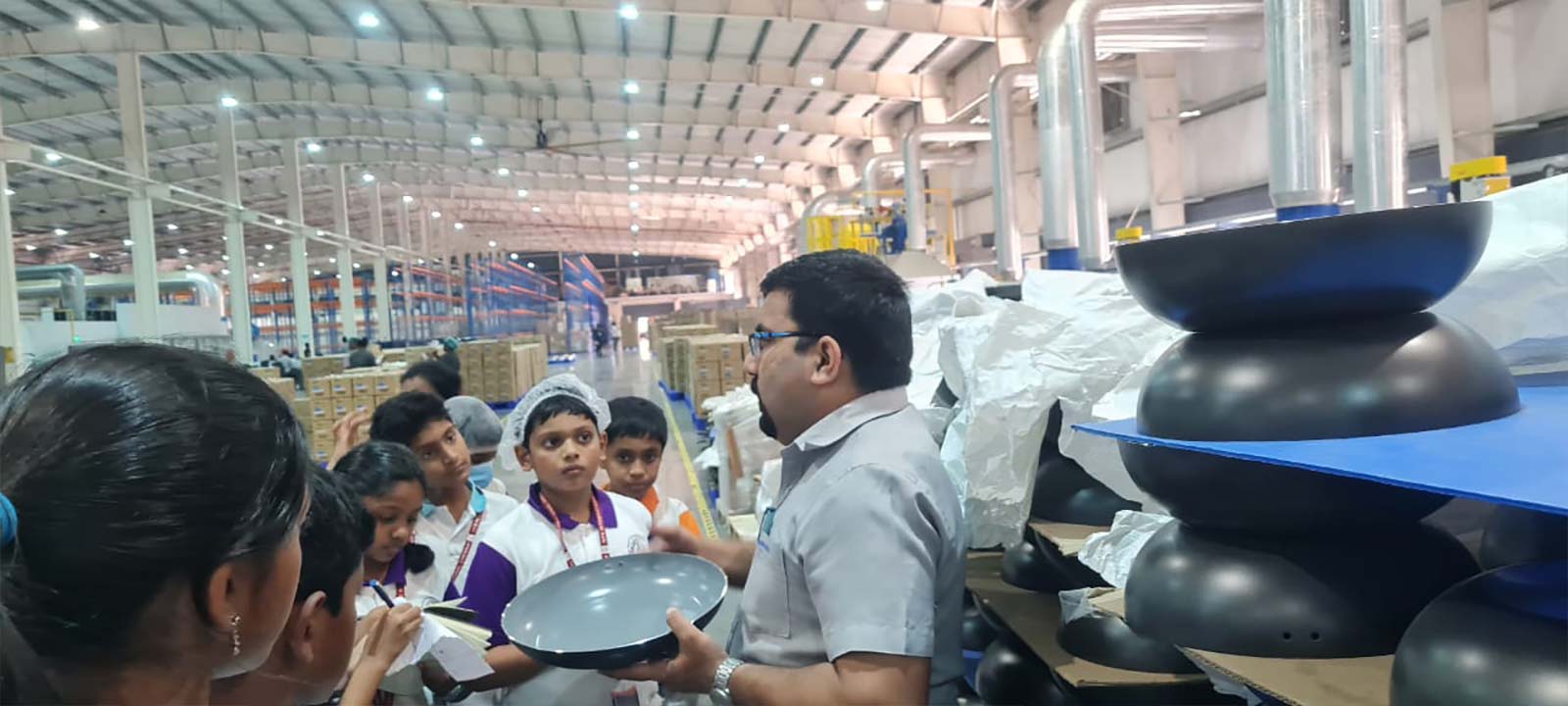
Finally, Unit 3 showcased the crafting of pots, pans, and kitchen utensils. Raw aluminium and steel sheets underwent stamping, welding, and polishing using heavy-duty hydraulic presses and buffing machines. Students documented the labour-intensive finishing processes, including handle attachments and non-stick coating applications.
Throughout the visits, students maintained detailed notes on raw materials sourced, the number of labour per shift, and the types of machinery employed. Teachers encouraged inquisitive questioning. The factory staff responded patiently, ensuring a collaborative learning experience.
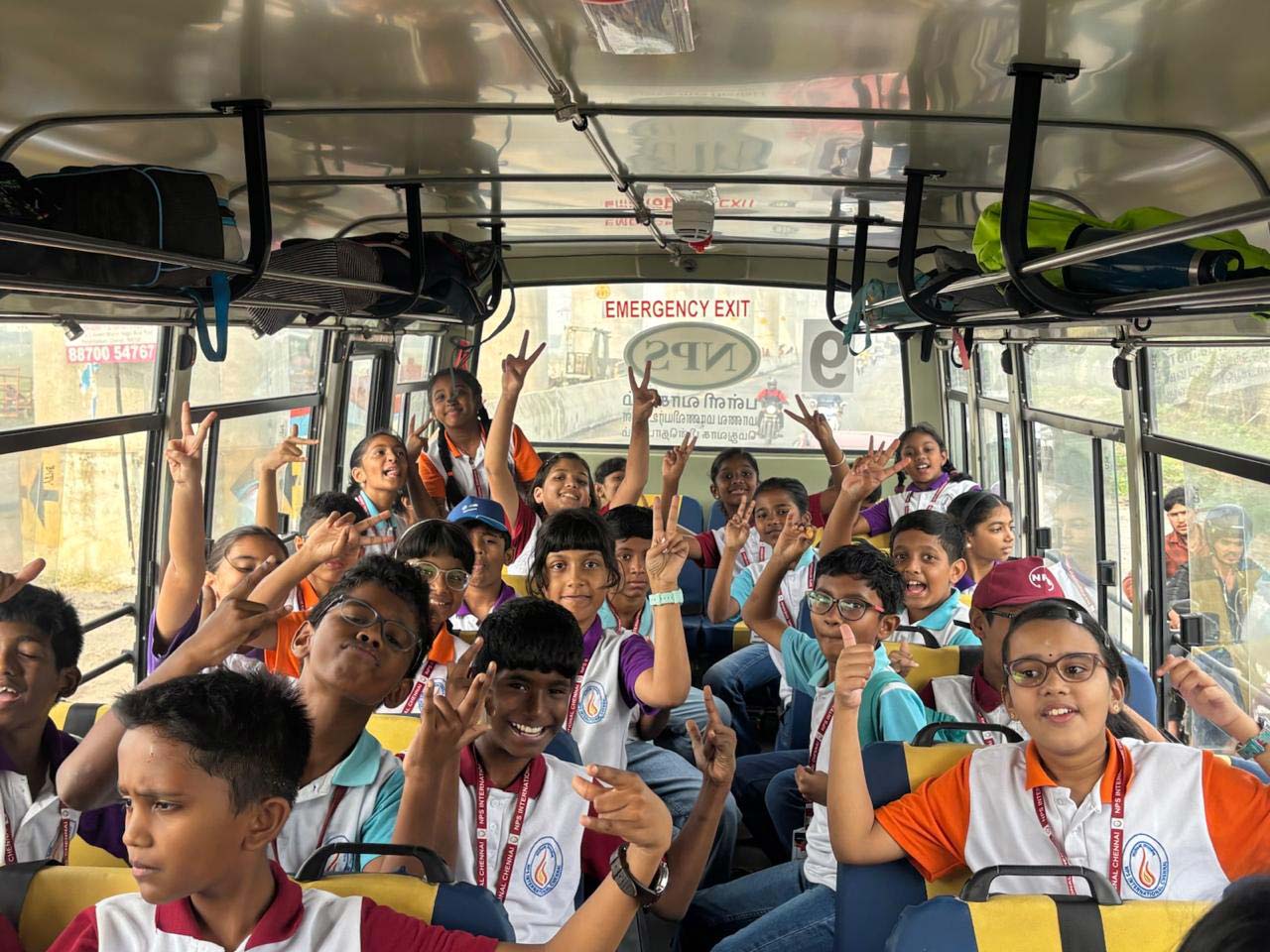
The groups gathered back at the dining room , ate their lunch and boarded the bus for their journey back to school. The return journey began around 1:00 PM, with students reflecting on their observations.
This was a highly rewarding experience for both teachers and students.