

Into The Classroom Week – Grades 1-2
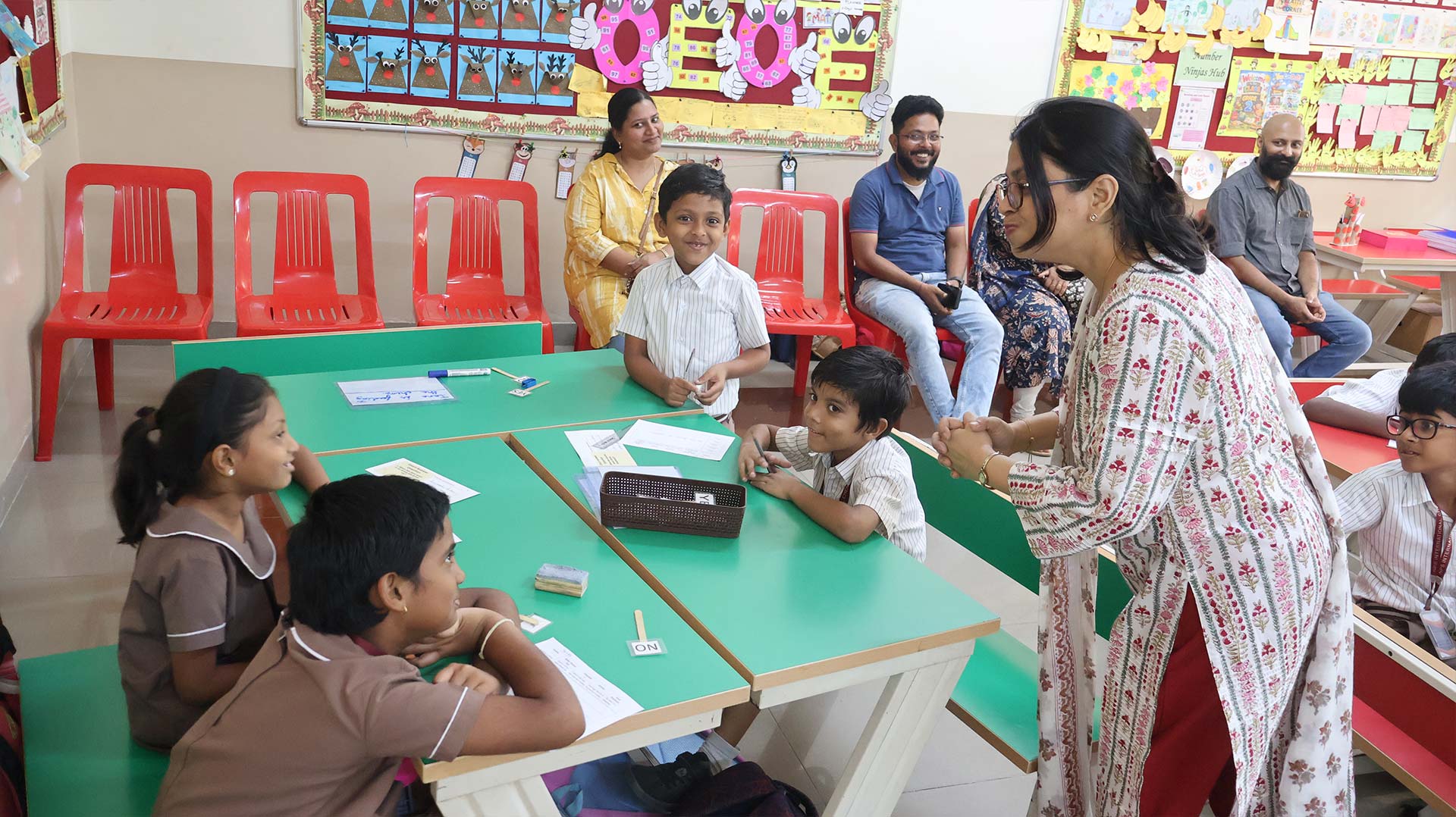
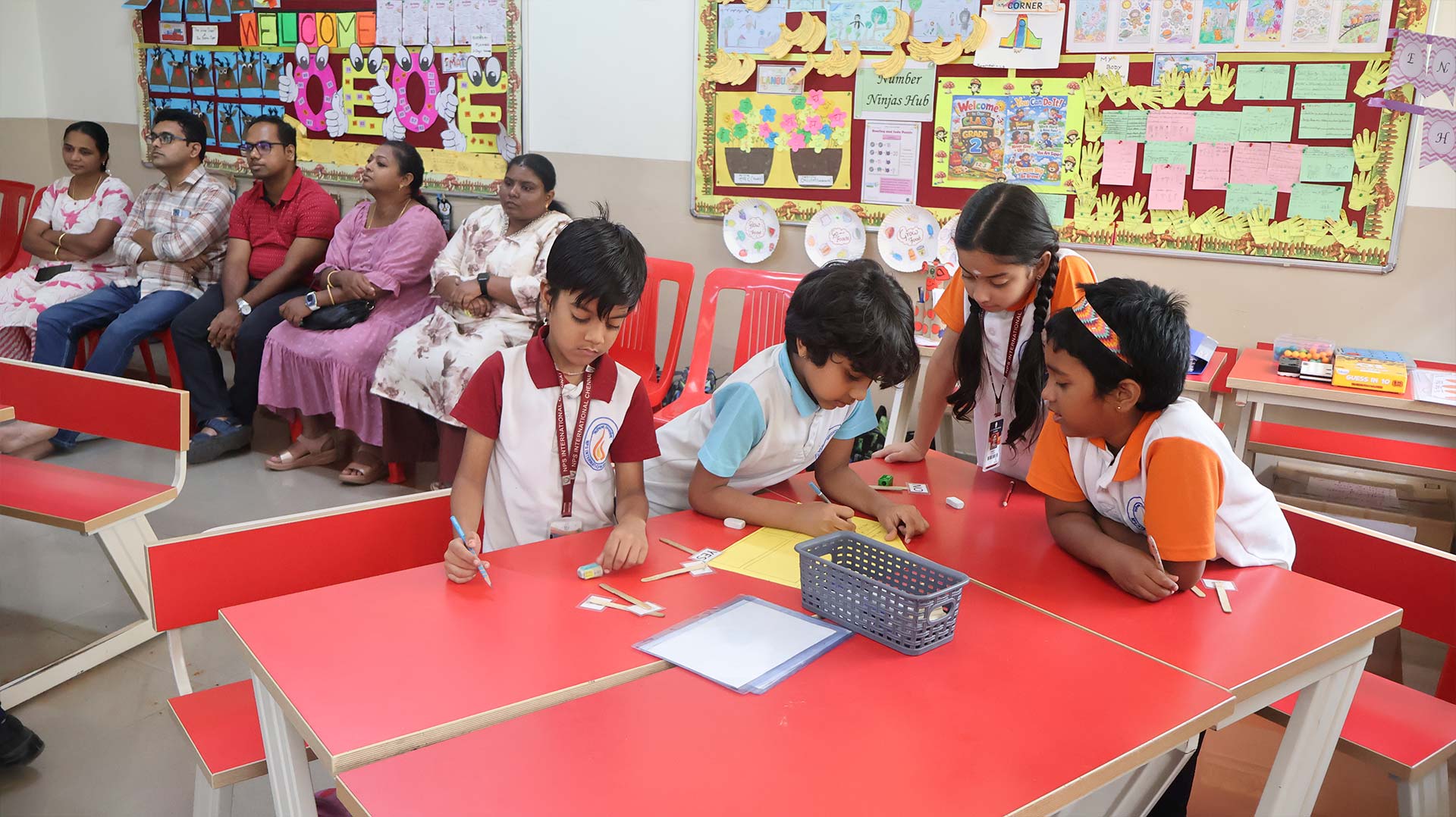
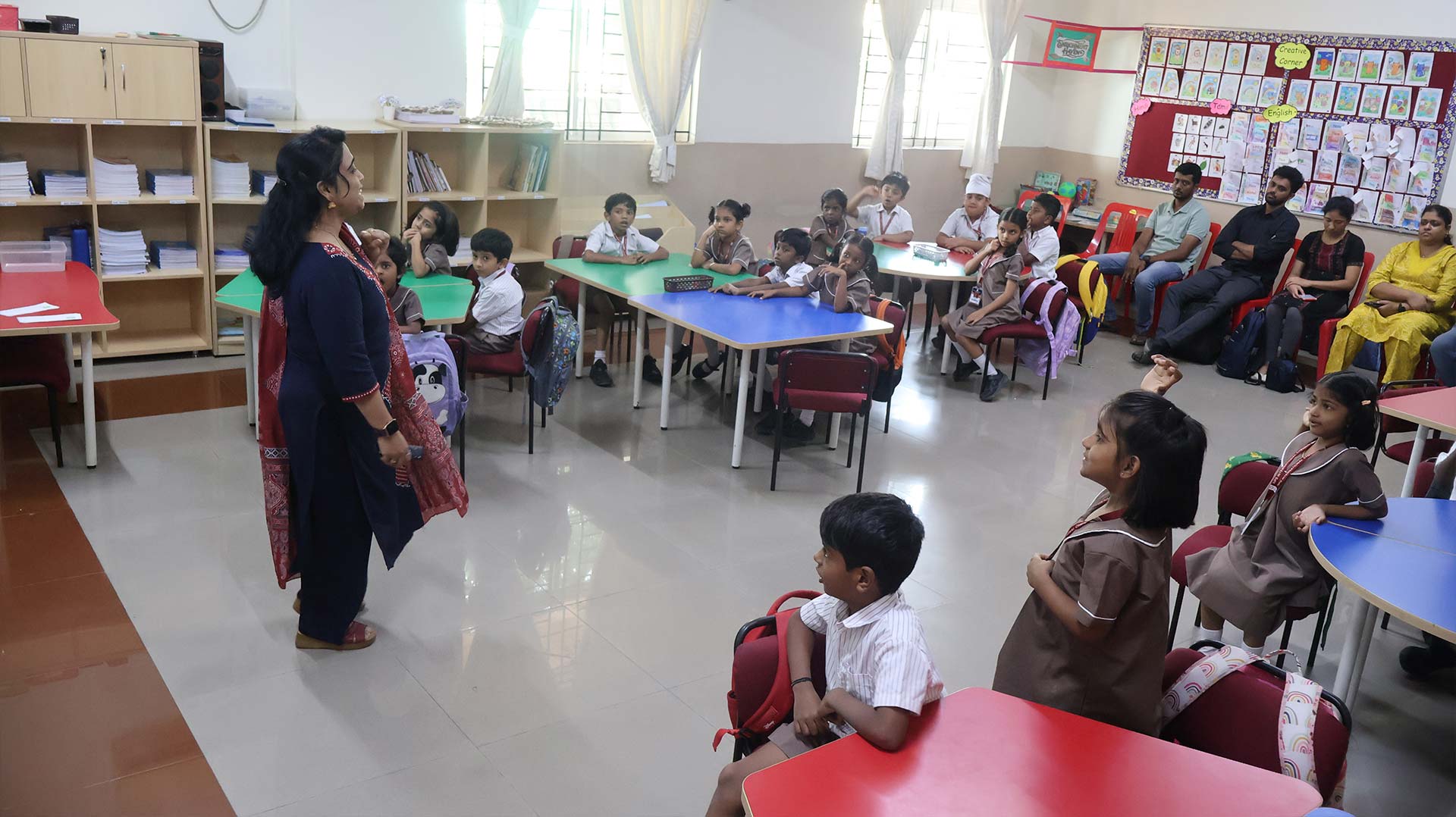
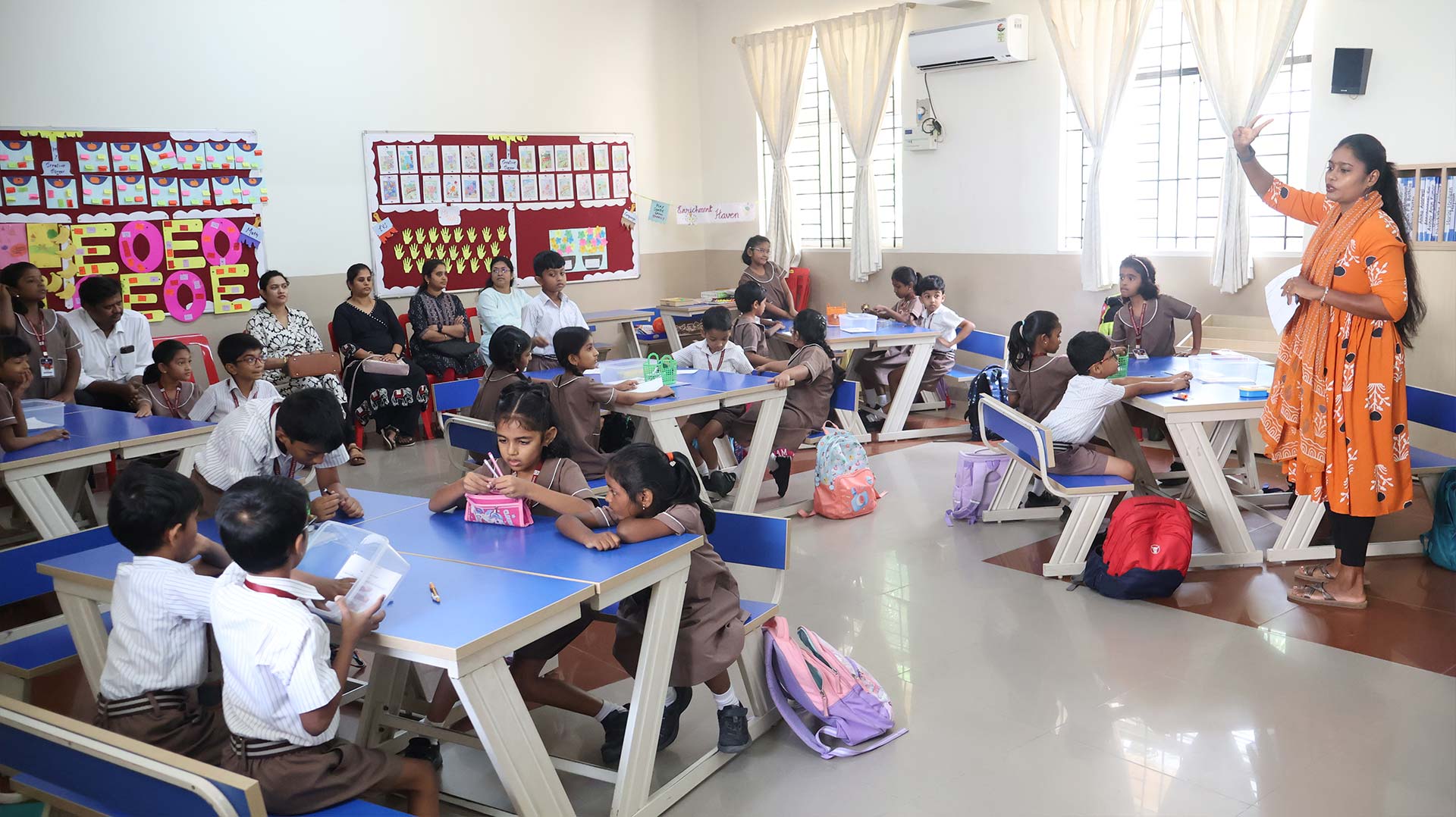
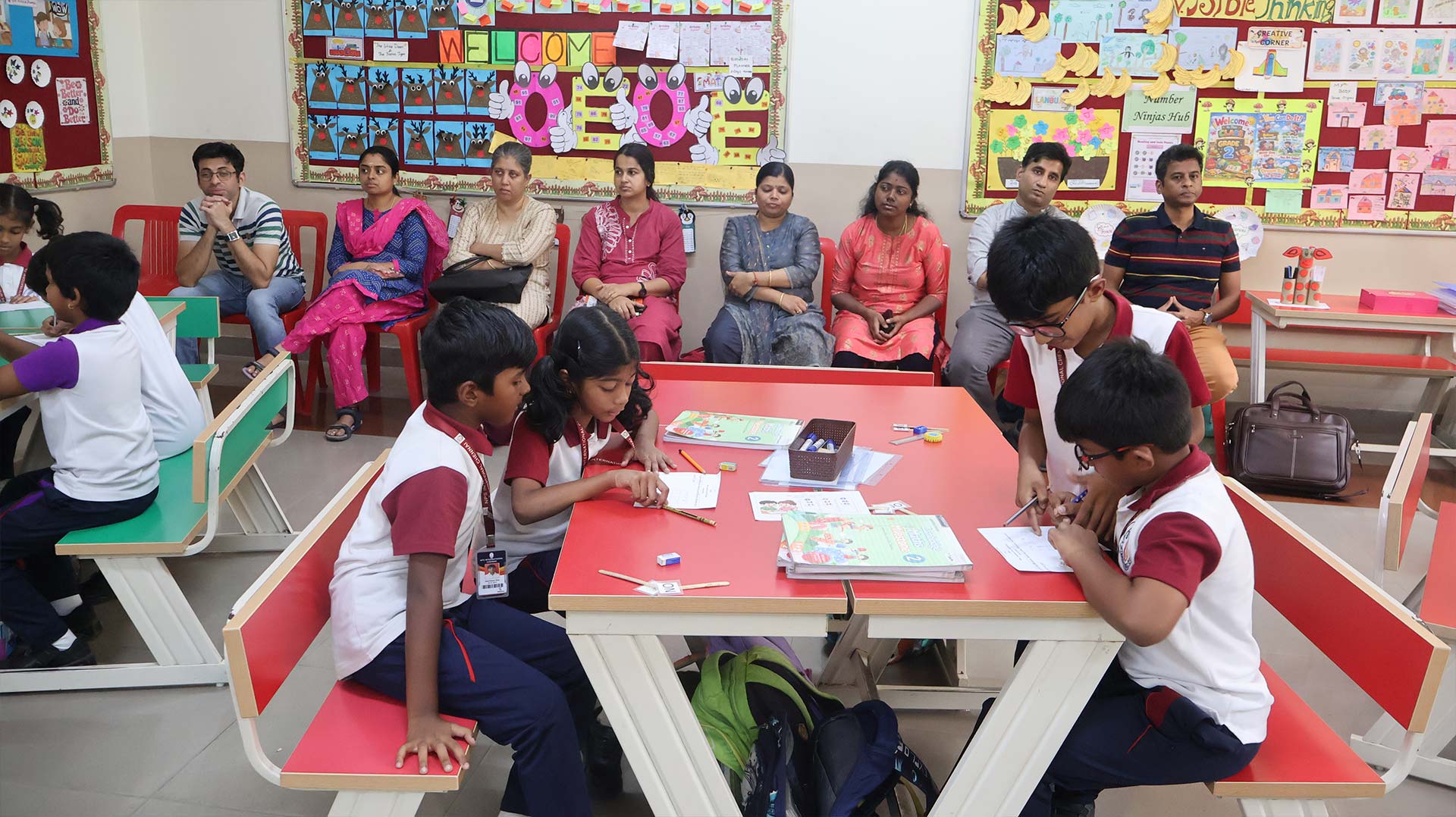
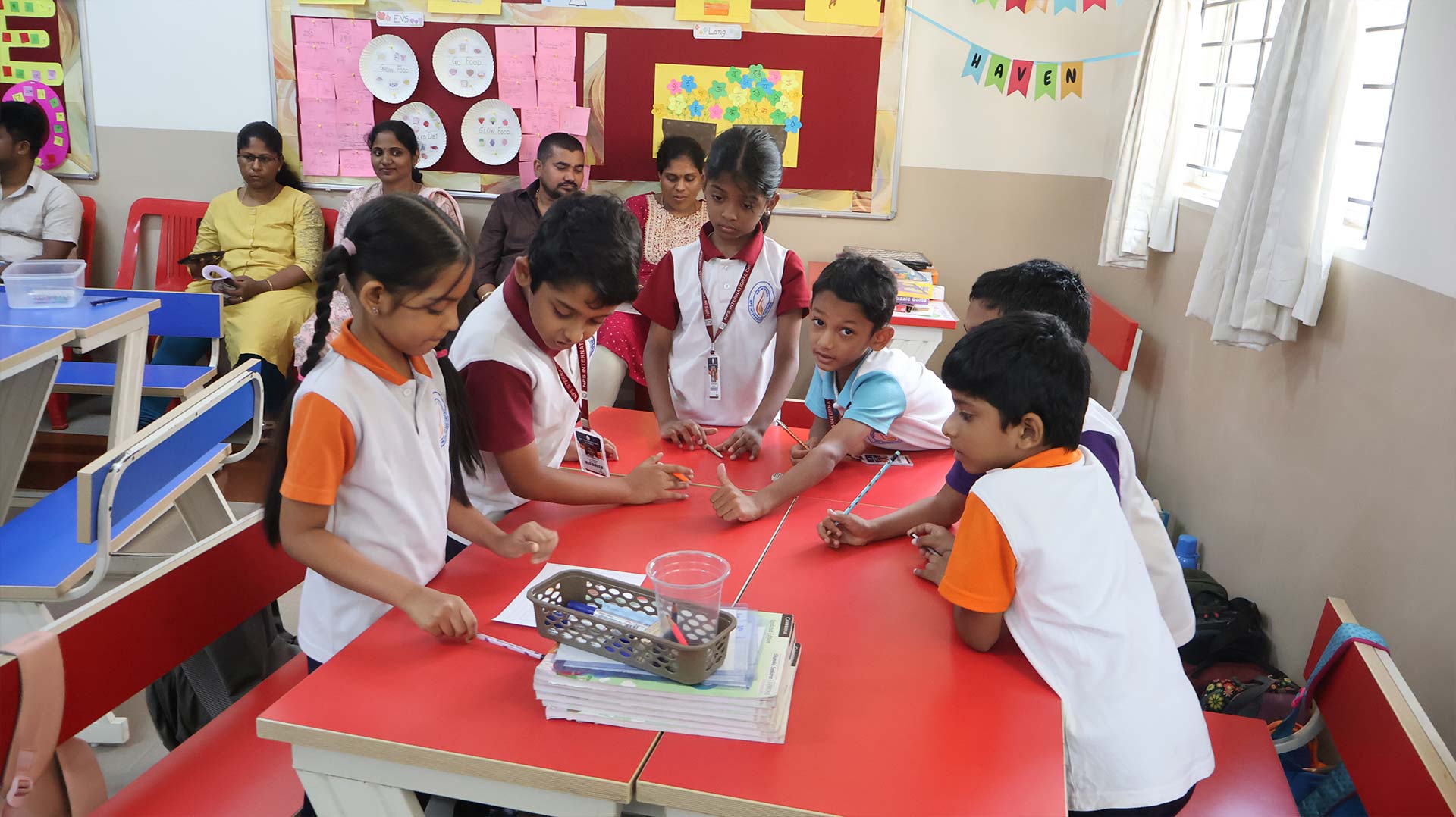
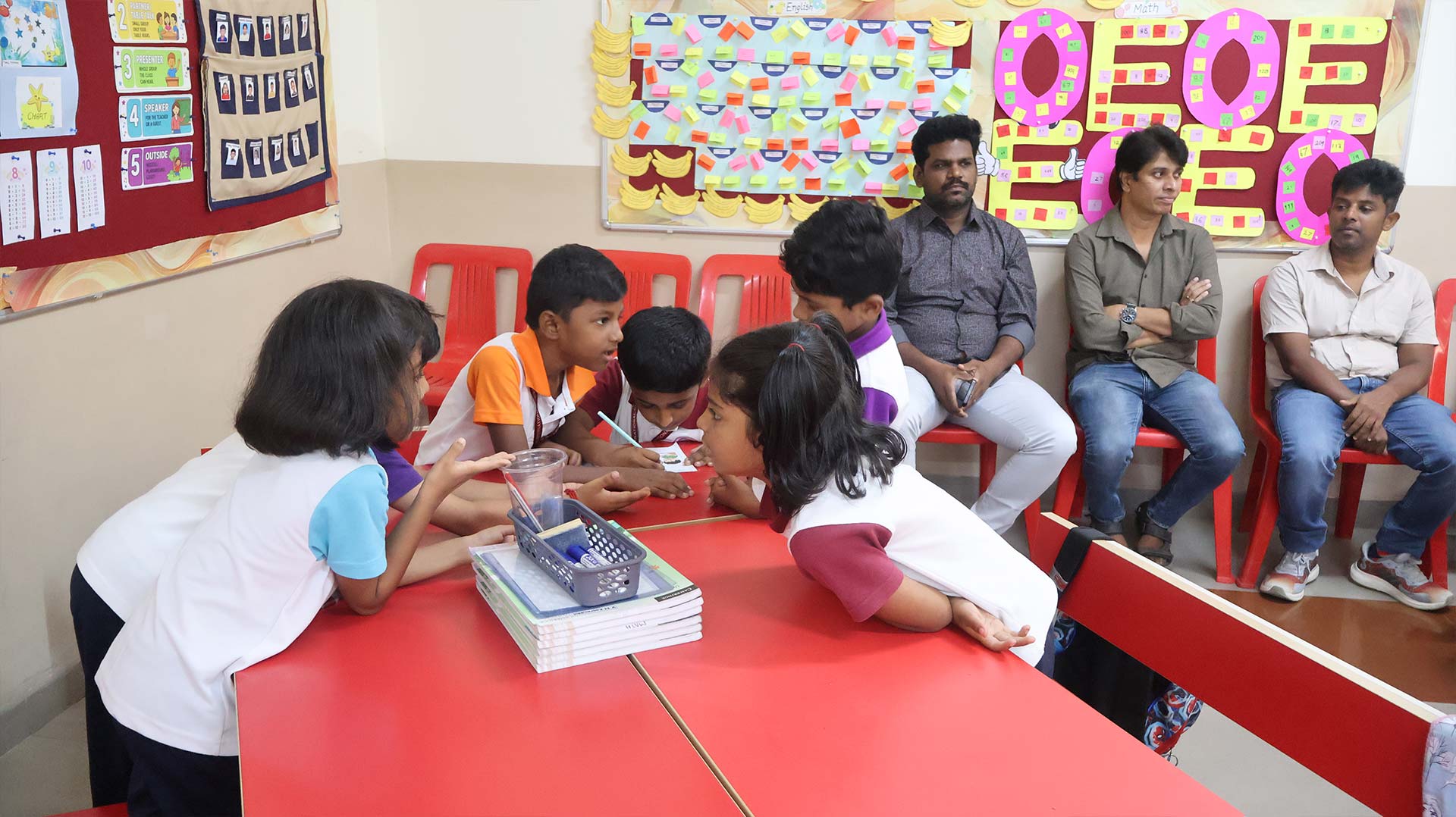
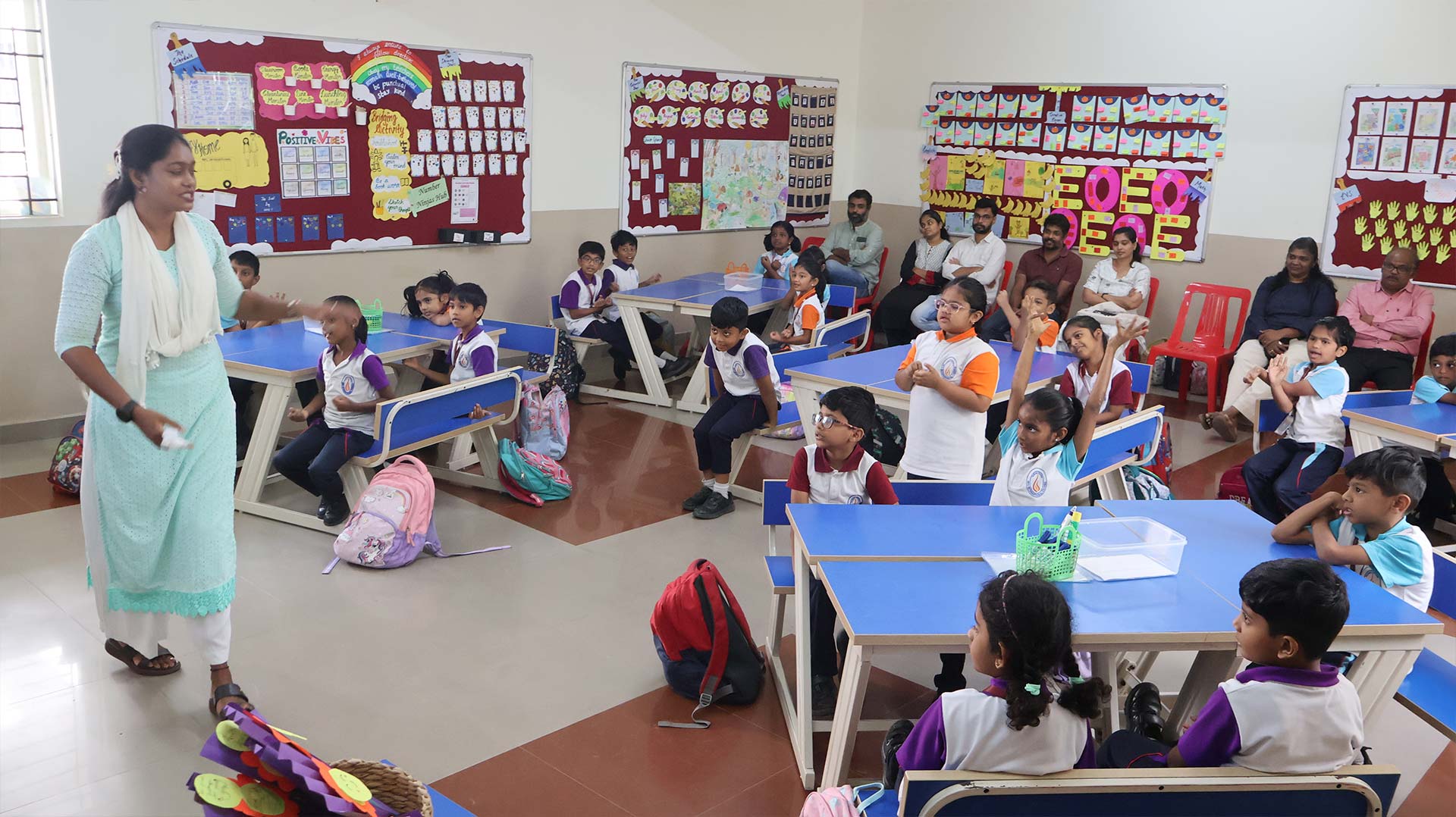
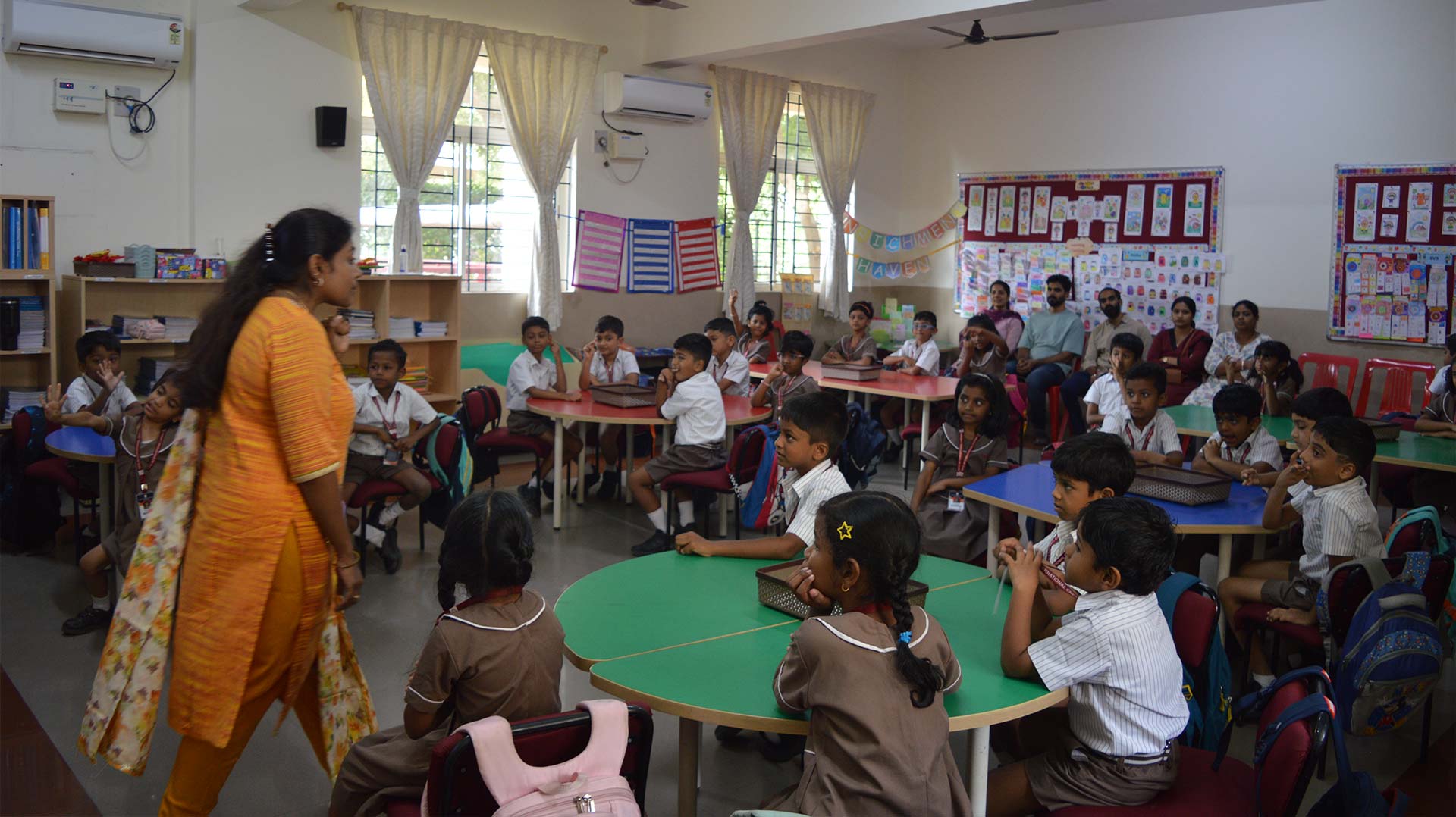
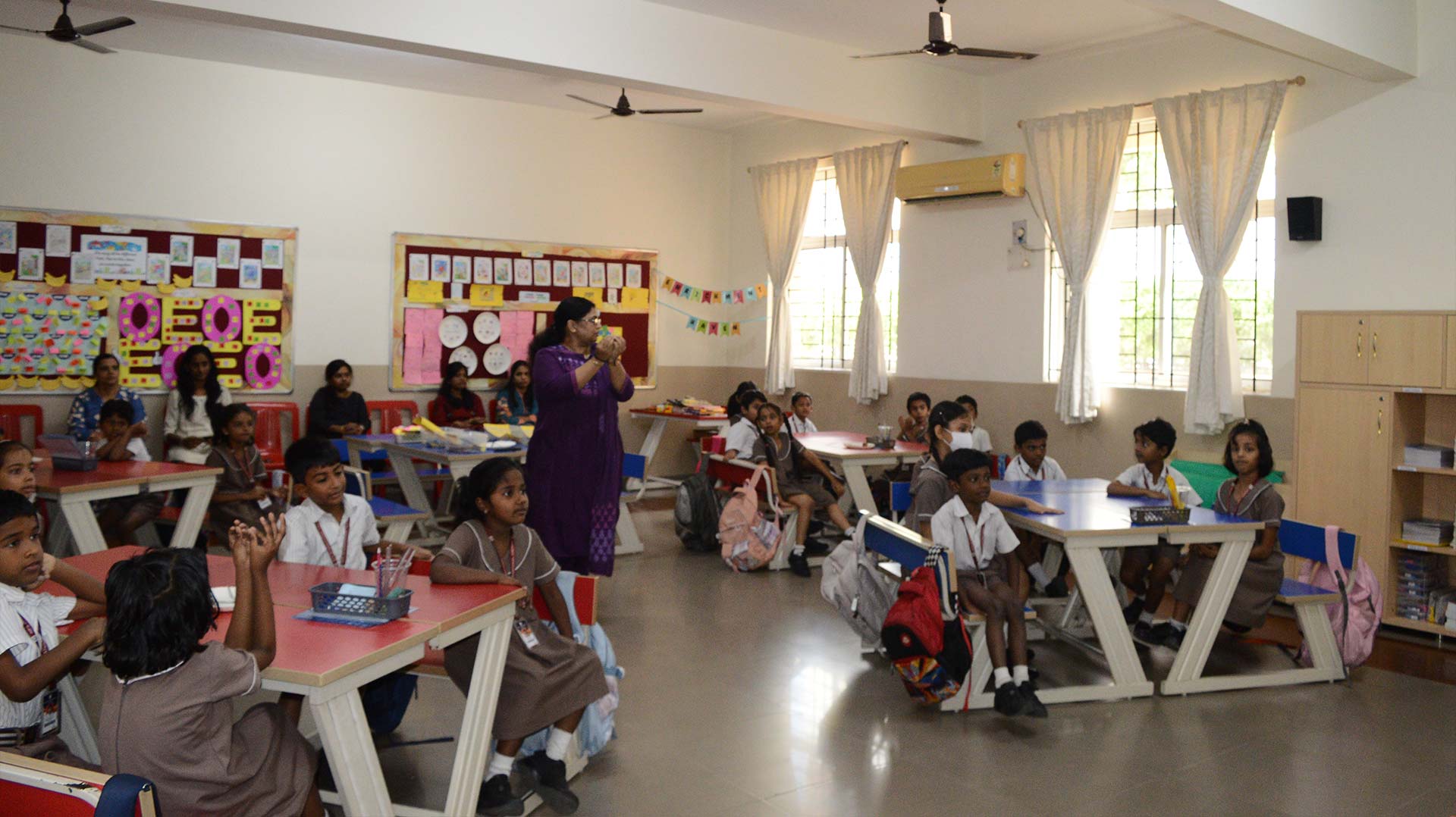
The “Into the Classroom” programme provided parents with a meaningful opportunity to experience their children’s learning journey firsthand. The initiative strengthened the partnership between home and school by enabling parents to observe classroom interactions, teaching-learning practices, student engagement, and the vibrant learning environment in real time.
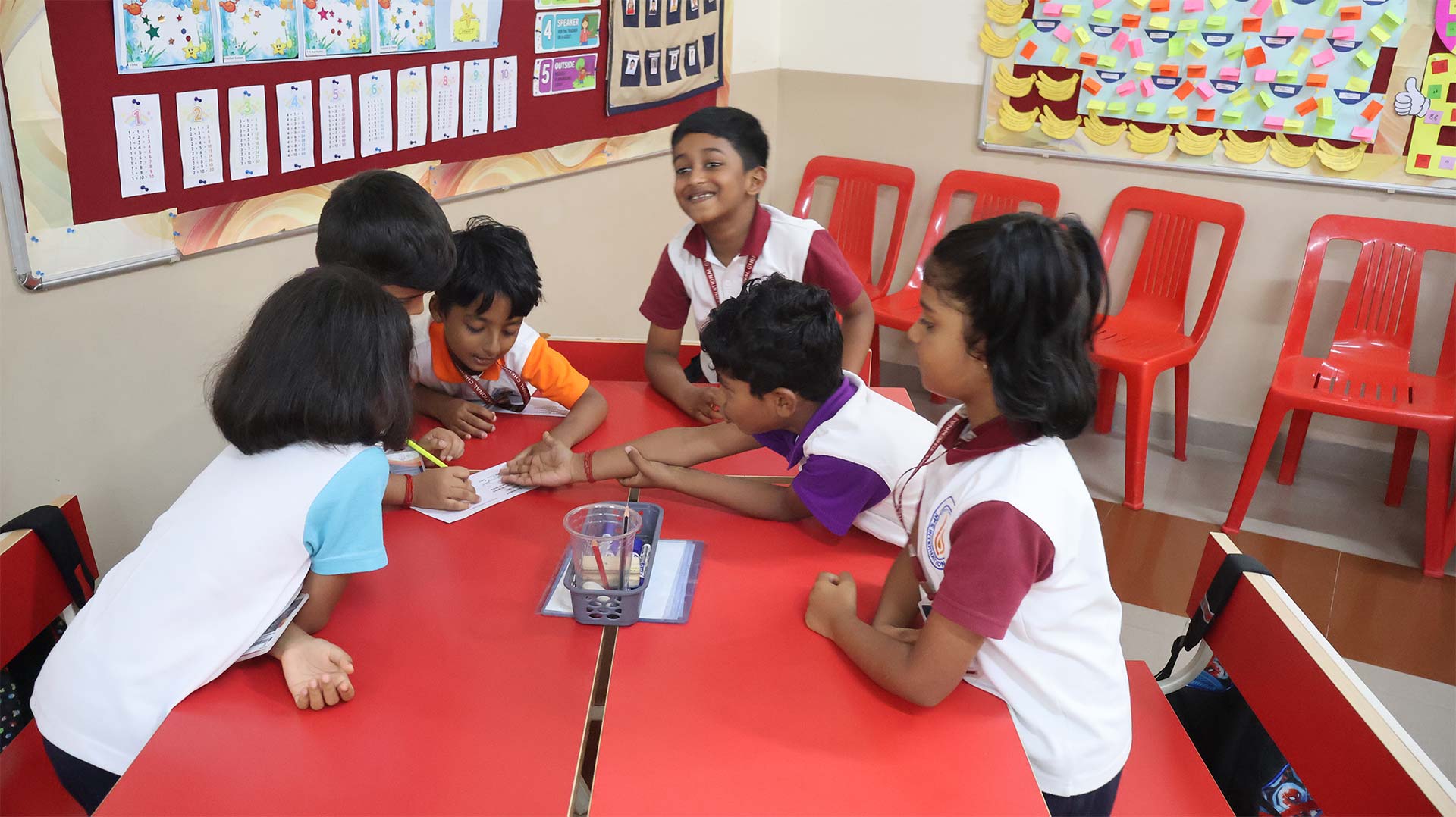
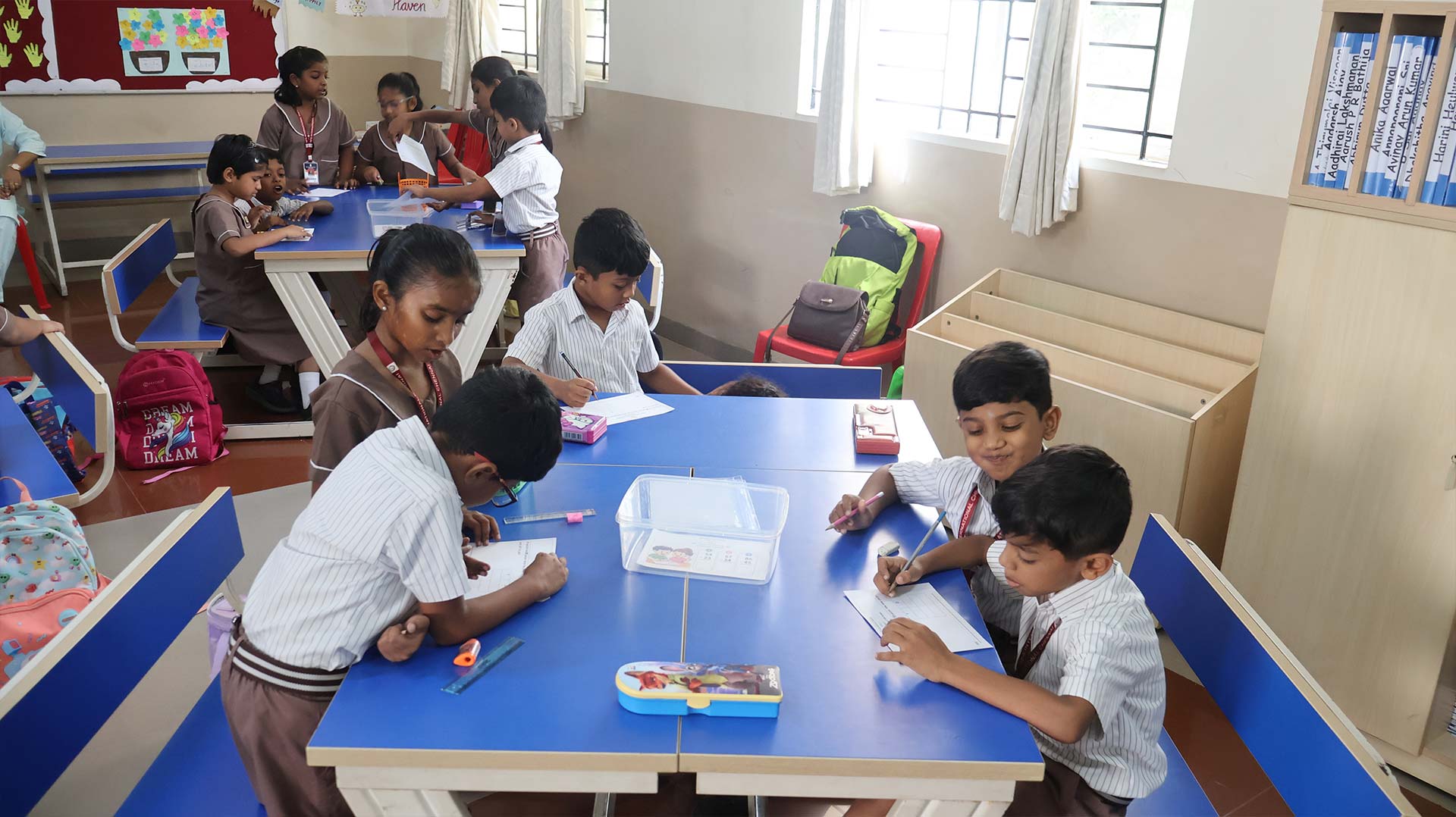
Across the five-day programme, classrooms transformed into dynamic spaces of curiosity, exploration, collaboration, and joyful learning. Parents witnessed children actively participating in discussions, responding to questions, sharing ideas, working with peers, and demonstrating their understanding with growing confidence. The sessions across English, Mathematics, Environmental Studies, Grammar, Poetry, and Audio were thoughtfully planned to suit the developmental needs of young learners.
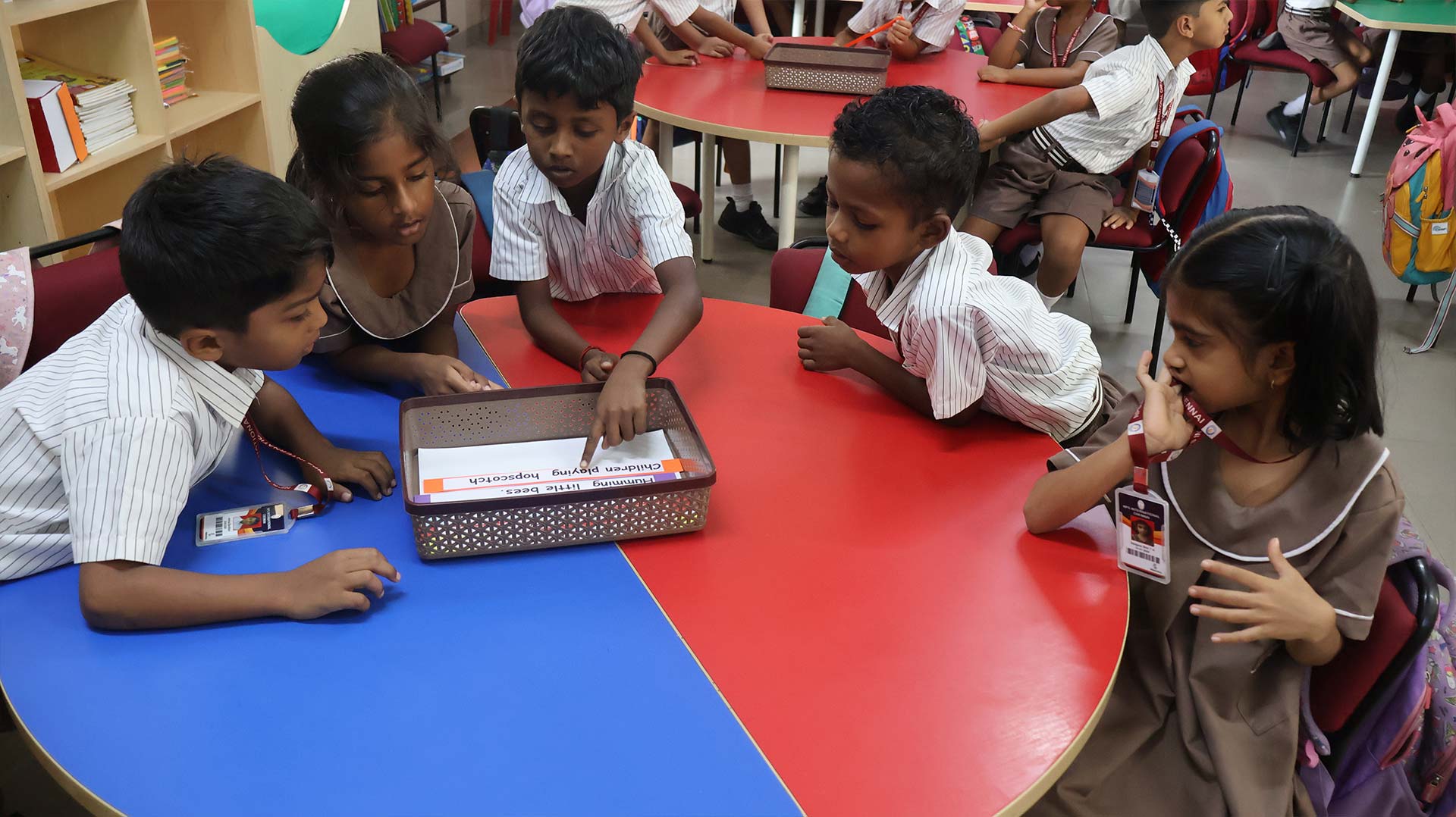
The school’s Teaching–Learning–Thought (TLT) approach was reflected through a balanced use of Solo Tasks, Pair Activities, Pair and Share, Collaborative Learning, hands-on experiences, and individual responses. These varied strategies encouraged students to think independently, communicate effectively, collaborate with peers, and take ownership of their learning.
The English sessions provided opportunities for students to develop vocabulary, comprehension, expressive language, and critical thinking while exploring meaningful stories and themes such as empathy, kindness, and compassion. Inquiry-based activities, including a seed investigation, encouraged children and parents to observe, compare, question, and discover together. Environmental Studies lessons enabled students to connect classroom concepts with their everyday surroundings through visual resources, discussions, and interactive activities, making learning relevant and memorable.
The Mathematics sessions focused on developing conceptual understanding and problem-solving skills. Students used strategies such as CUBS – Circle the numbers, Underline the question, Box the keywords, and Solve – to approach word problems systematically. They analysed information, discussed strategies, and explained their reasoning, demonstrating that learning was centred on understanding rather than rote practice. Effective Monotony Breakers were also incorporated to maintain focus, energy, and enthusiasm.
Language learning was enriched through poetry, expressive reading, vocabulary-building, recitation, and collaborative discussions. Audio sessions provided familiar real-life contexts for developing listening and speaking skills, encouraging students to acquire new vocabulary and communicate confidently.
A key highlight of the programme was the development of skills beyond academic learning. Children demonstrated growing confidence, communication, creativity, collaboration, critical thinking, independence, and problem-solving abilities. Parents were able to observe how purposeful teaching strategies and carefully designed activities encouraged children to become active participants in their learning.
The programme also created meaningful emotional connections between parents and children. Many parents shared that participating in classroom activities brought back fond memories of their own school days. They appreciated the opportunity to witness their children’s learning experiences and expressed admiration for the teachers’ dedication, creativity, meticulous planning, and innovative teaching methodologies.
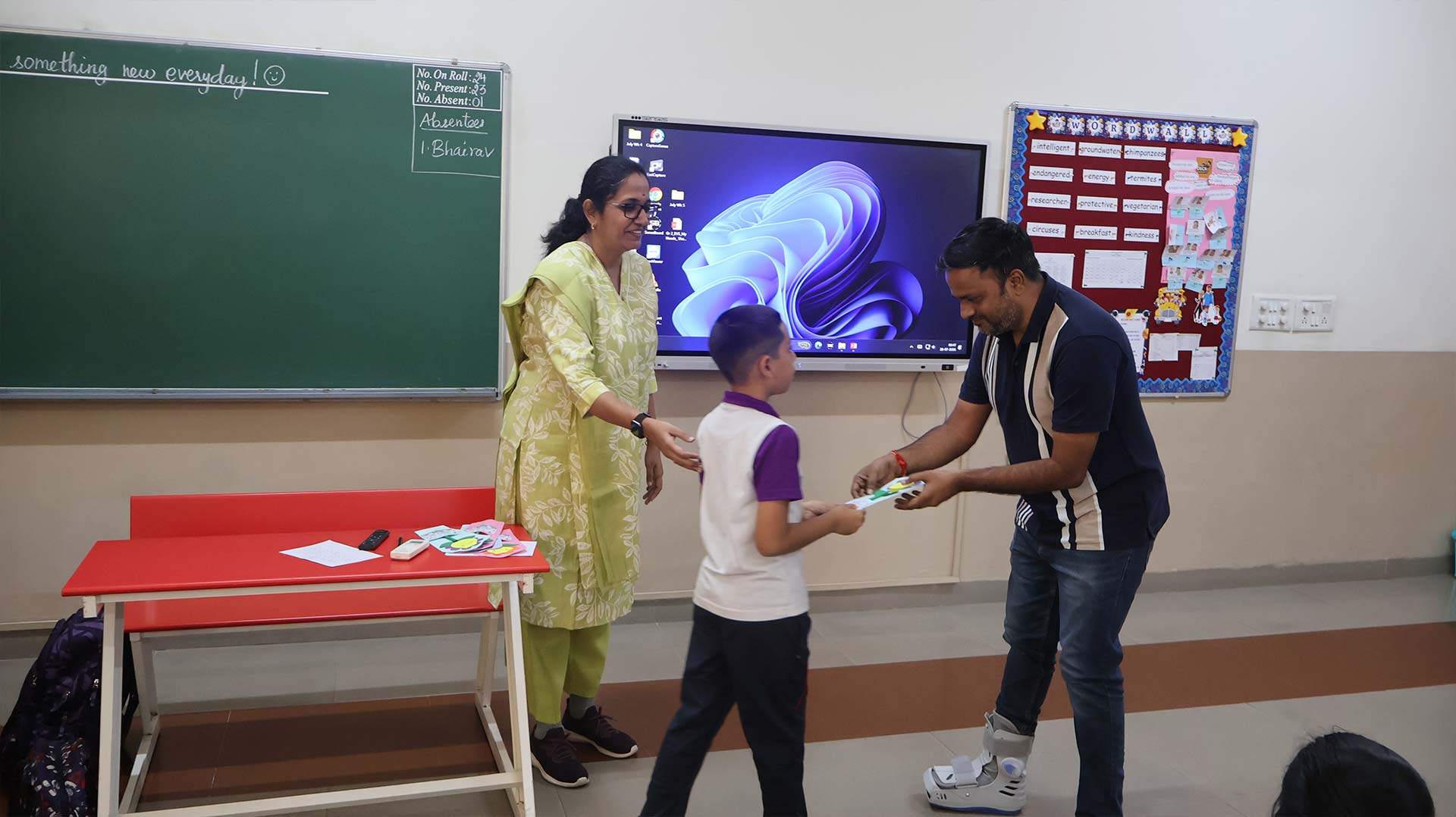
The programme concluded on a heartfelt note, with children presenting their parents with handmade flower crafts and personal thank-you messages. Overall, the “Into the Classroom” programme was a resounding success, offering parents an authentic glimpse into the teaching-learning process while reinforcing the strong partnership between home and school. It beautifully demonstrated that meaningful learning is a shared journey of exploring, questioning, collaborating, communicating, and growing together.